
The Opedia Network
TattoosOpedia
Not Sure What Tattoo You Want? Begin Your Discovery
Discover a Tattoo I Might LoveKnow What You Want? Search Below
Show Me Tattoo Artists Who Can Create What I Want


Your Guide to Tattoos and Local Favorites
TattoosOpedia helps you explore tattoo styles, understand safety and aftercare, compare local studios and artists, and find tattoo-related services near you.
How Do I Find the Right Tattoo Artist or Studio Near Me?
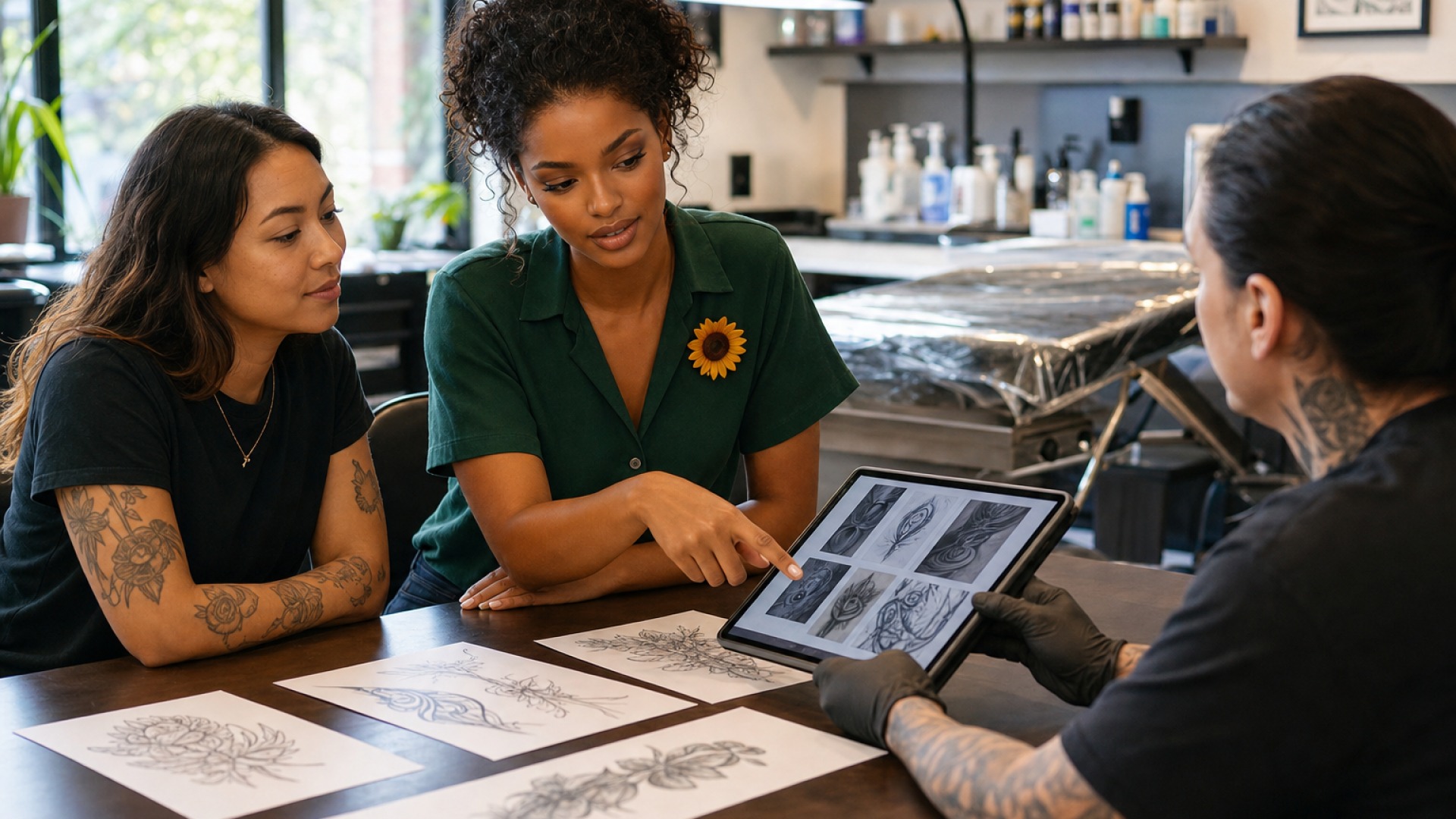
The right tattoo artist is someone whose work, experience, communication, and studio practices fit the tattoo you want. Begin with your location, preferred style, placement, approximate size, and budget. Use TattoosOpedia to identify nearby artists and studios, then study portfolios for consistent line work, smooth shading, solid color, healed results, and experience with designs similar to yours. Read recent reviews, but do not rely on ratings alone. A consultation can reveal whether the artist listens carefully, explains what will and will not work, gives realistic expectations, and welcomes questions about safety and aftercare. Compare several qualified choices rather than selecting only by price or social-media popularity. The best fit should make you feel informed, respected, and comfortable before you pay a deposit or schedule the work.


What Tattoo Style or Type Fits Me Best?
Tattoo styles differ in line weight, color, shading, symbolism, detail, and the way they age on the body. Traditional and neo-traditional designs often use bold outlines and strong color. Realism aims to reproduce lifelike subjects. Fine-line and minimalist tattoos use delicate marks and usually require an artist with precise technical control. Blackwork, geometric, illustrative, Japanese, tribal, lettering, watercolor, portrait, and ornamental work each call for different strengths. Placement, skin tone, body movement, sun exposure, and the amount of detail that will fit at the chosen size also matter. Bring reference ideas, but ask the artist to create an original design rather than copy another person’s tattoo. A good consultation helps translate what you admire into a style, scale, and placement that suits your body, your meaning, and the artist’s proven abilities.

How Do I Choose a Safe and Clean Tattoo Studio?
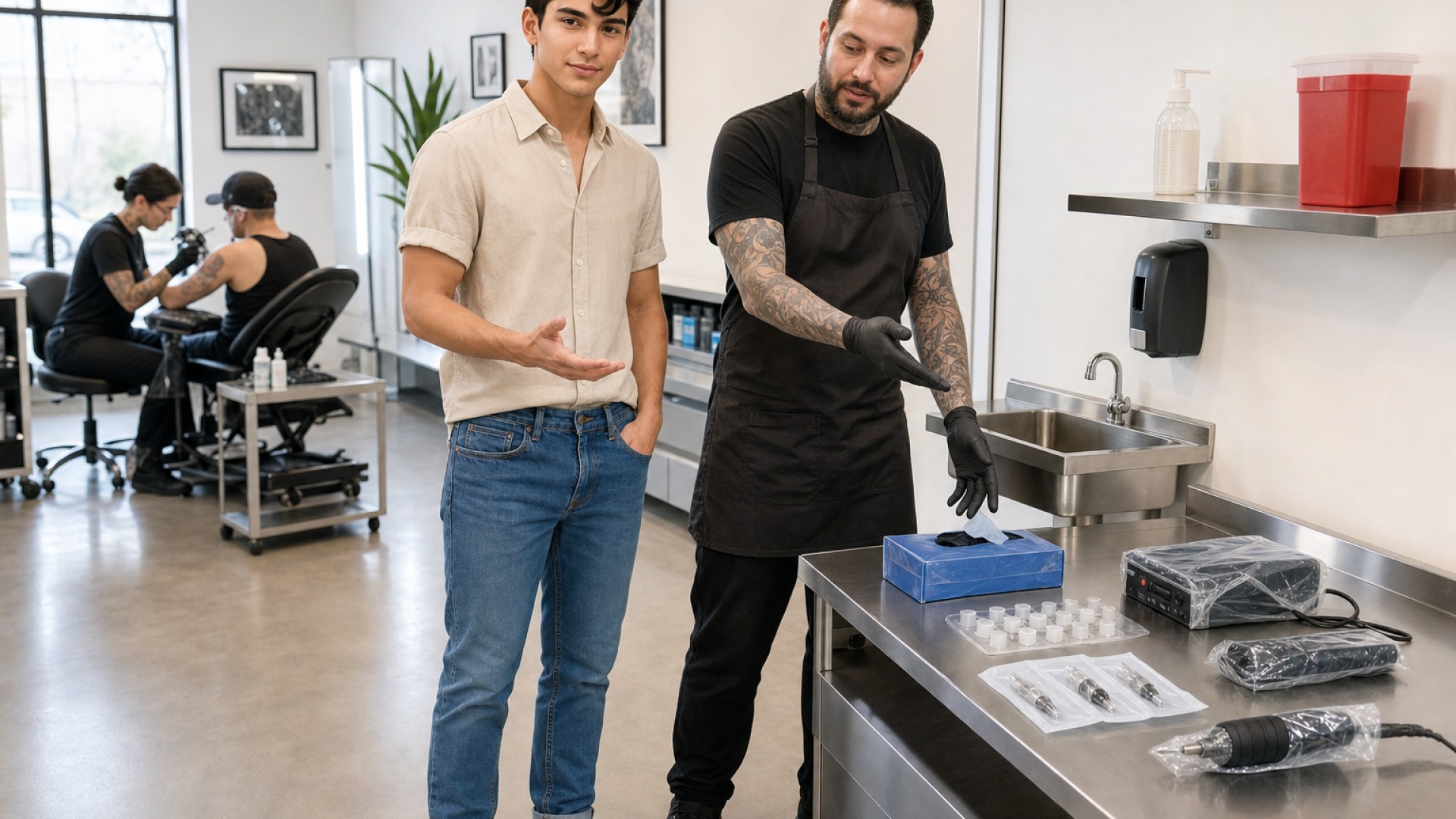
A professional tattoo studio should make its safety practices easy to see and explain. Look for clean, uncluttered work areas; fresh gloves; single-use needles or cartridges opened for each client; disposable ink caps; protective barriers on equipment; proper sharps disposal; and careful separation of clean and used materials. Ask how reusable tools are cleaned and sterilized, how surfaces are disinfected between clients, and whether the studio follows local licensing, inspection, and bloodborne-pathogen requirements. The artist should wash hands, change gloves when contamination may have occurred, use products intended for tattooing, and provide clear written aftercare instructions. Be cautious if the workspace appears dirty, animals roam through treatment areas, supplies are reused, or staff resist reasonable safety questions. Laws differ by state and locality, so verify current requirements with the appropriate health or licensing authority.


What Should I Ask Before Booking a Tattoo Appointment?
Before booking, ask who will create and perform the tattoo, whether the artist has experience with the style and placement you want, and when you will see the design. Confirm the estimated size, session length, price range, deposit, cancellation policy, payment methods, and whether touch-ups are included. Ask to see healed examples, not only freshly completed work. Discuss allergies, sensitive skin, previous reactions, medicines, medical conditions, scarring history, pregnancy, or other concerns that may affect your decision; a qualified health professional can advise you when a medical question is involved. Confirm the age and identification requirements, whether a consultation is required, what you should do before arrival, and what aftercare instructions will be provided. Clear answers in advance reduce surprises and help both client and artist decide whether the project is a responsible fit.
How Much Do Tattoos Cost, and What Affects the Price?
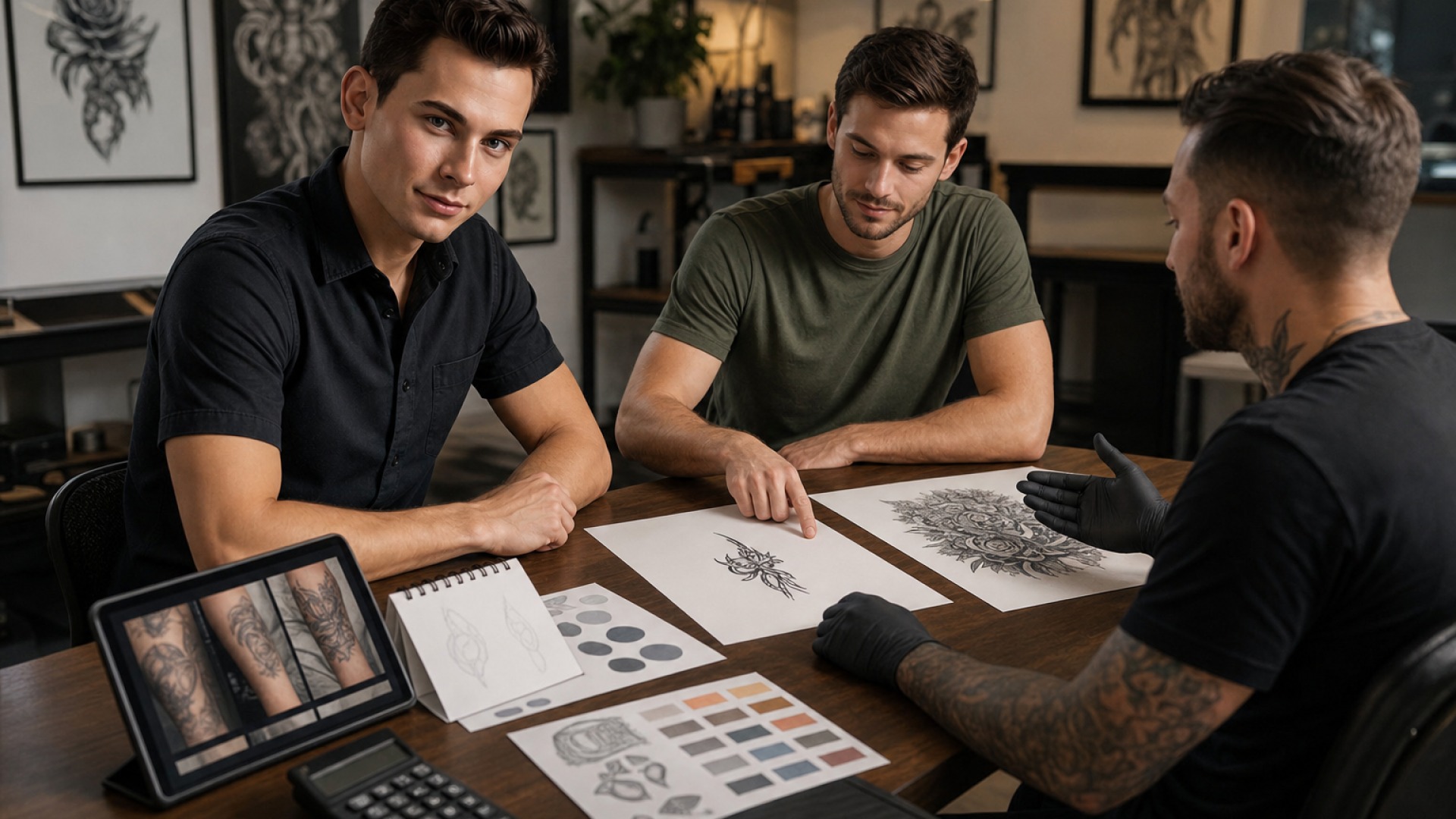
Tattoo prices vary because artists price their time, skill, design work, studio overhead, supplies, and local market differently. Size, placement, complexity, color, detail, cover-up work, the number of sessions, and the artist’s experience can all affect the total. Some studios use a minimum charge for small tattoos, while larger projects may be priced by the hour, by the session, or as a quoted project. Ask what the estimate includes, when the final price may change, how deposits are applied, and whether gratuity or later touch-ups are separate. An unusually low price should not outweigh safety, skill, and a clean studio. Budget for the complete project rather than only the first sitting, especially for large, detailed, or multi-session work. Never feel pressured to proceed before you understand the financial terms.

How Should I Prepare for My Tattoo Appointment?
Follow the studio’s instructions and arrive rested, hydrated, and after eating a normal meal unless a clinician has told you otherwise. Wear clean, comfortable clothing that gives the artist appropriate access to the placement without unnecessary exposure. Bring required identification, payment, reference material, and any agreed paperwork. Avoid arriving intoxicated or impaired, and do not stop prescription medicine or change medical treatment without speaking with the clinician who manages it. Tell the artist about illness, sunburn, broken skin, rashes, allergies, pregnancy, a tendency toward heavy scarring, or other concerns before the session begins. Arrange transportation or support when the appointment may be long or the placement could make driving uncomfortable. Good preparation helps you remain still, communicate clearly, and make decisions without rushing.
What Happens During the Tattoo Process?
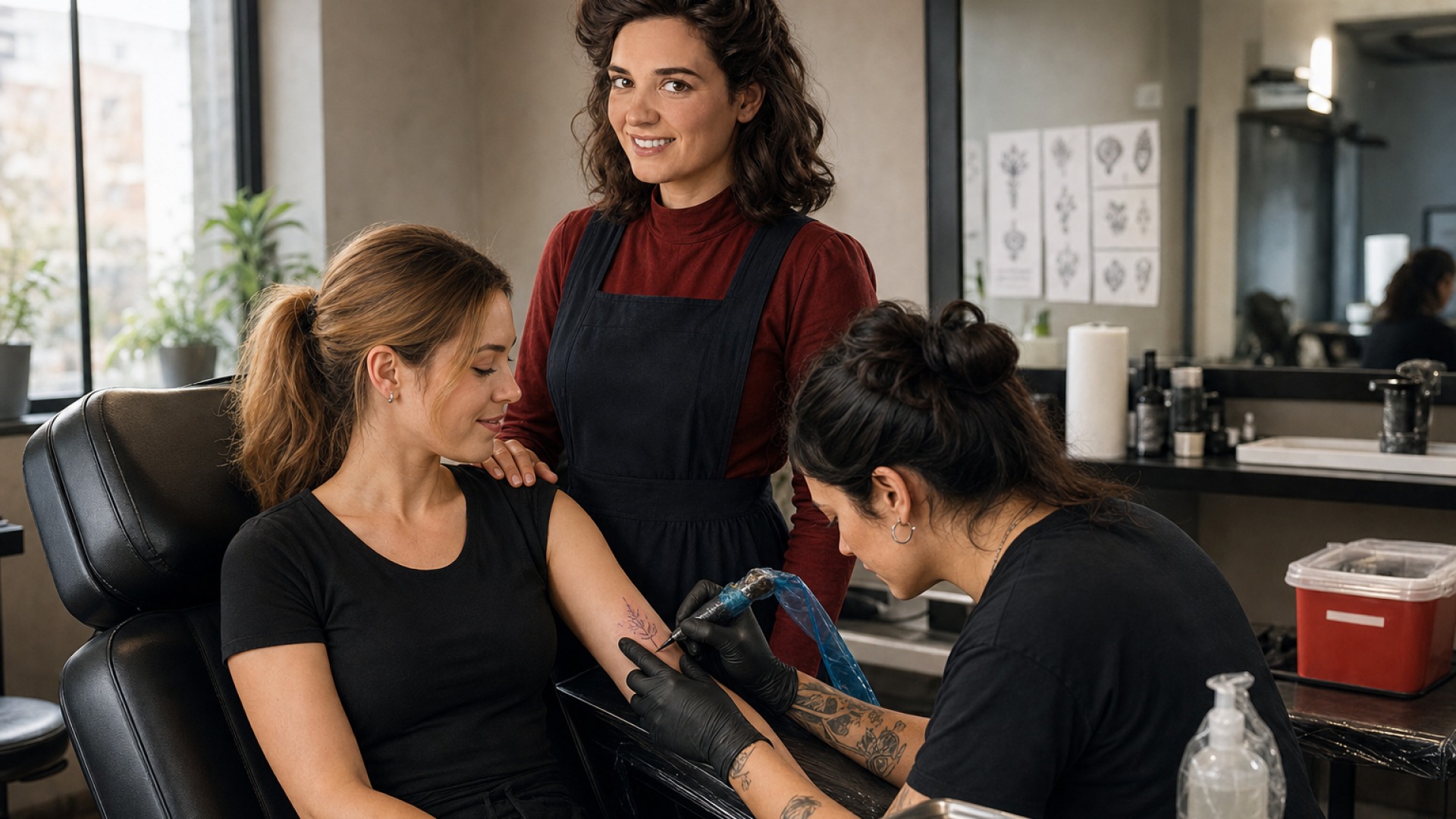
The process usually begins with confirming the final design, size, placement, price, and consent. The artist may prepare the skin, position a stencil, and ask you to check it from several angles before beginning. A professional artist sets up a clean station, uses fresh barriers and gloves, and opens the required single-use supplies for the client. Depending on the design, the artist may complete outlines, shading, and color in stages, with breaks as needed. You should be able to communicate discomfort, ask for a pause, or stop the session. At the end, the artist cleans the area, applies an appropriate covering, explains aftercare, and discusses healing and any future session. Procedures vary, so the studio should explain its own method before work begins.

How Do I Care for a New Tattoo?
Aftercare can differ according to the type of covering, the artist’s method, and your skin, so begin with the instructions provided by the studio. In general, handle the area with clean hands, keep it gently clean, use only recommended products, and avoid scratching, picking, or peeling. Do not soak a healing tattoo in pools, hot tubs, lakes, or baths, and limit friction, dirt, and direct sun while it heals. A thin fragrance-free moisturizer may be recommended after the initial covering is removed, but excessive product can also cause problems. Wear loose, clean clothing over the area when practical. Once the tattoo is fully healed, sun protection helps reduce fading. Contact the studio with routine aftercare questions, but seek medical advice when symptoms appear abnormal or worsen rather than relying only on the artist.
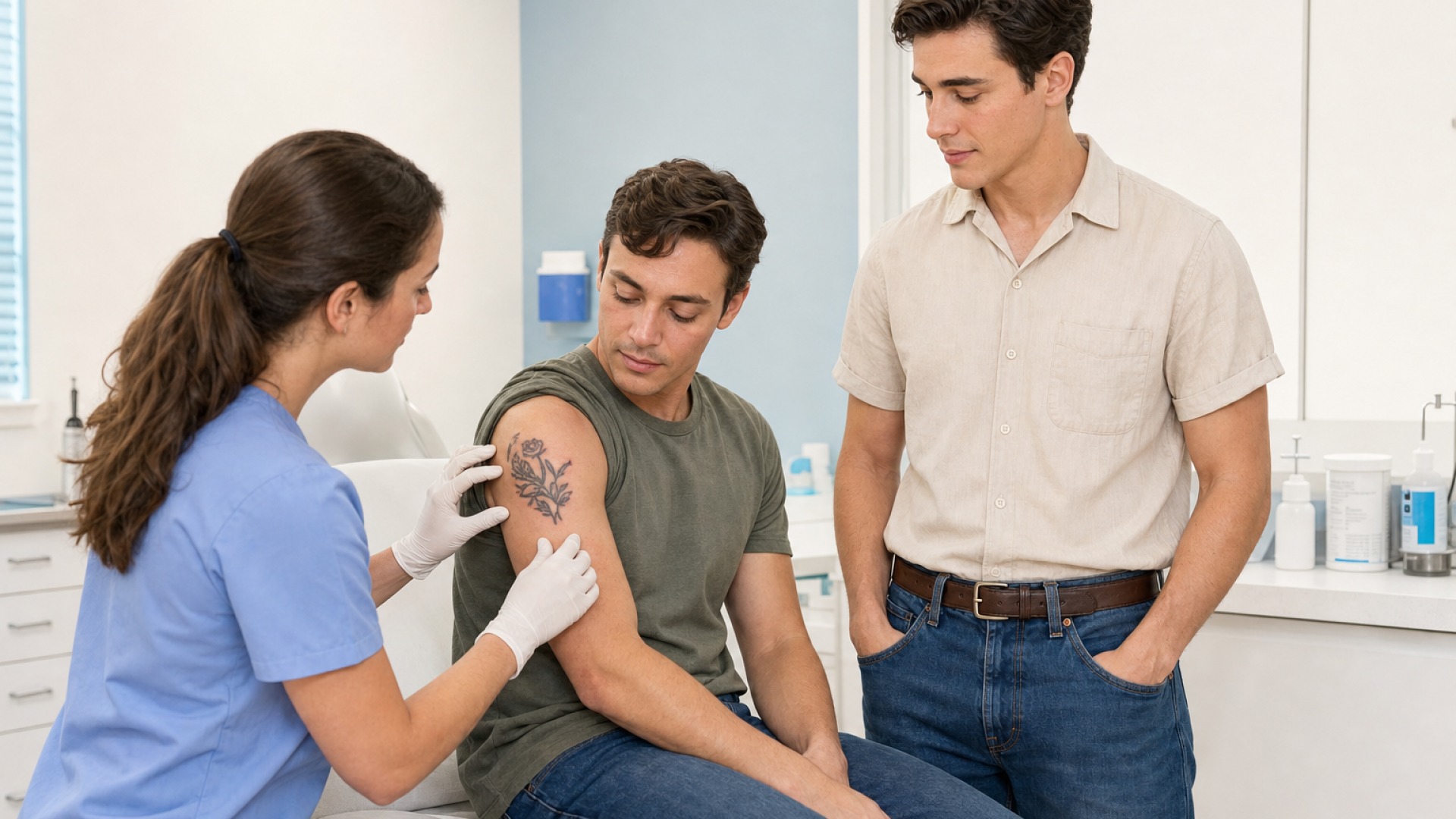
What Are the Warning Signs of Poor Healing, Infection, or an Allergic Reaction?
Some tenderness, mild redness, or light swelling can occur early in healing, but symptoms should generally improve rather than spread or intensify. Seek prompt medical advice for worsening pain, increasing warmth or swelling, redness that continues to expand, pus-like drainage, red streaks, fever, chills, open sores, or a rash that is severe or persistent. Hives, facial swelling, difficulty breathing, faintness, or other signs of a serious allergic reaction require emergency care. Reactions may involve ink, adhesives, skin products, or infection, and they cannot be diagnosed reliably from a photograph or social-media comment. Do not ignore worsening symptoms or depend only on the tattoo artist for medical assessment. A clinician can examine the area, determine the cause, and recommend appropriate treatment. Keep the artist informed because the studio may also need to review products or practices.
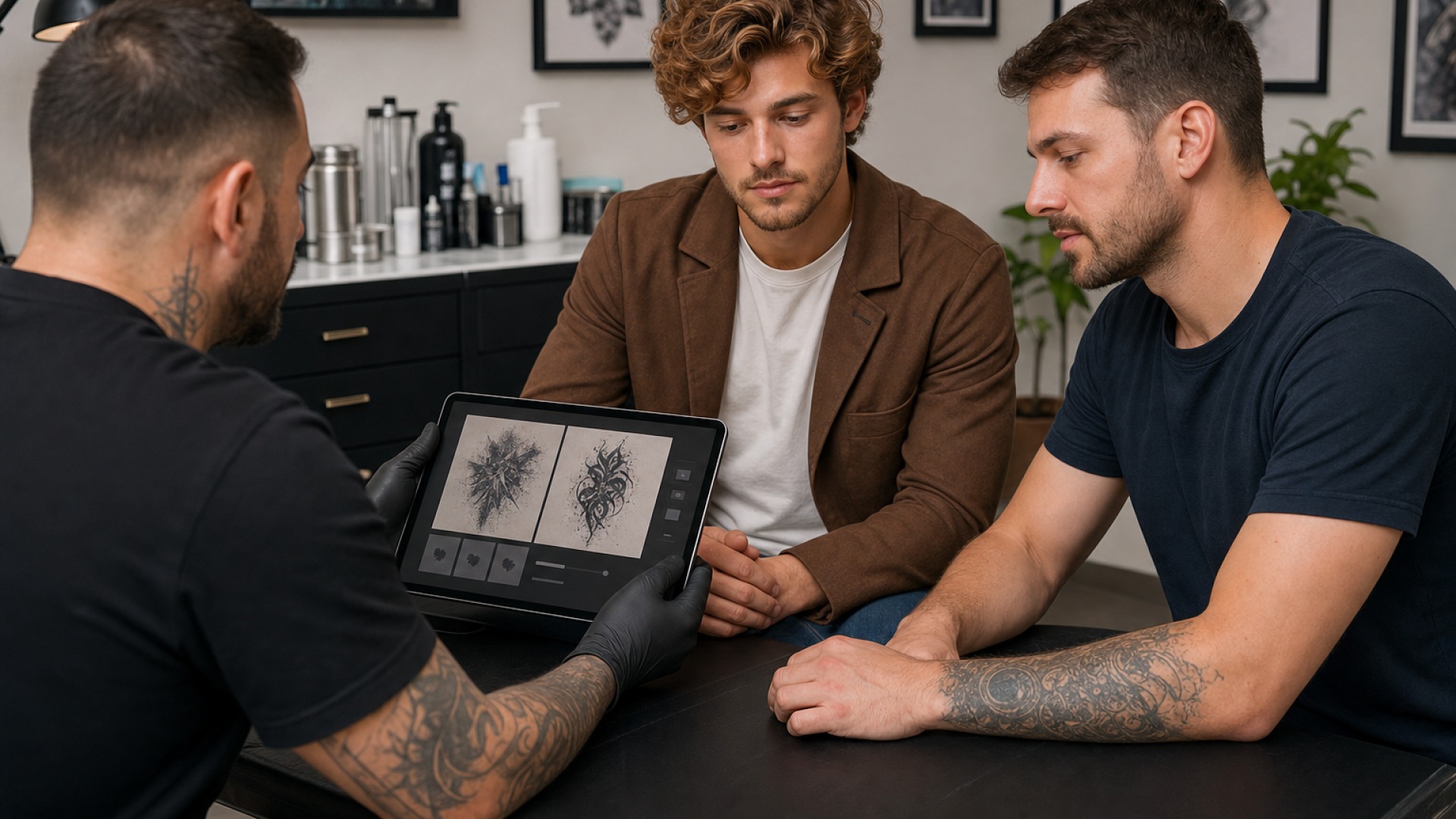
What Should I Know About Cover-Ups, Touch-Ups, and Tattoo Removal?
A touch-up refreshes parts of an existing tattoo after it has healed, while a cover-up uses a new design to disguise or incorporate older work. Cover-ups often need to be larger, darker, or strategically designed, and not every image can be hidden in one session. An experienced cover-up artist should assess the color, density, scarring, placement, and condition of the old tattoo before promising a result. Removal or lightening may make a cover-up more workable, but tattoo removal commonly requires multiple treatments and may not erase every color completely. Risks can include discomfort, pigment changes, blistering, and scarring. Consult a properly qualified provider and confirm who is legally permitted to perform removal where you live. Allow skin to heal fully between tattooing, touch-up, cover-up, or removal procedures.
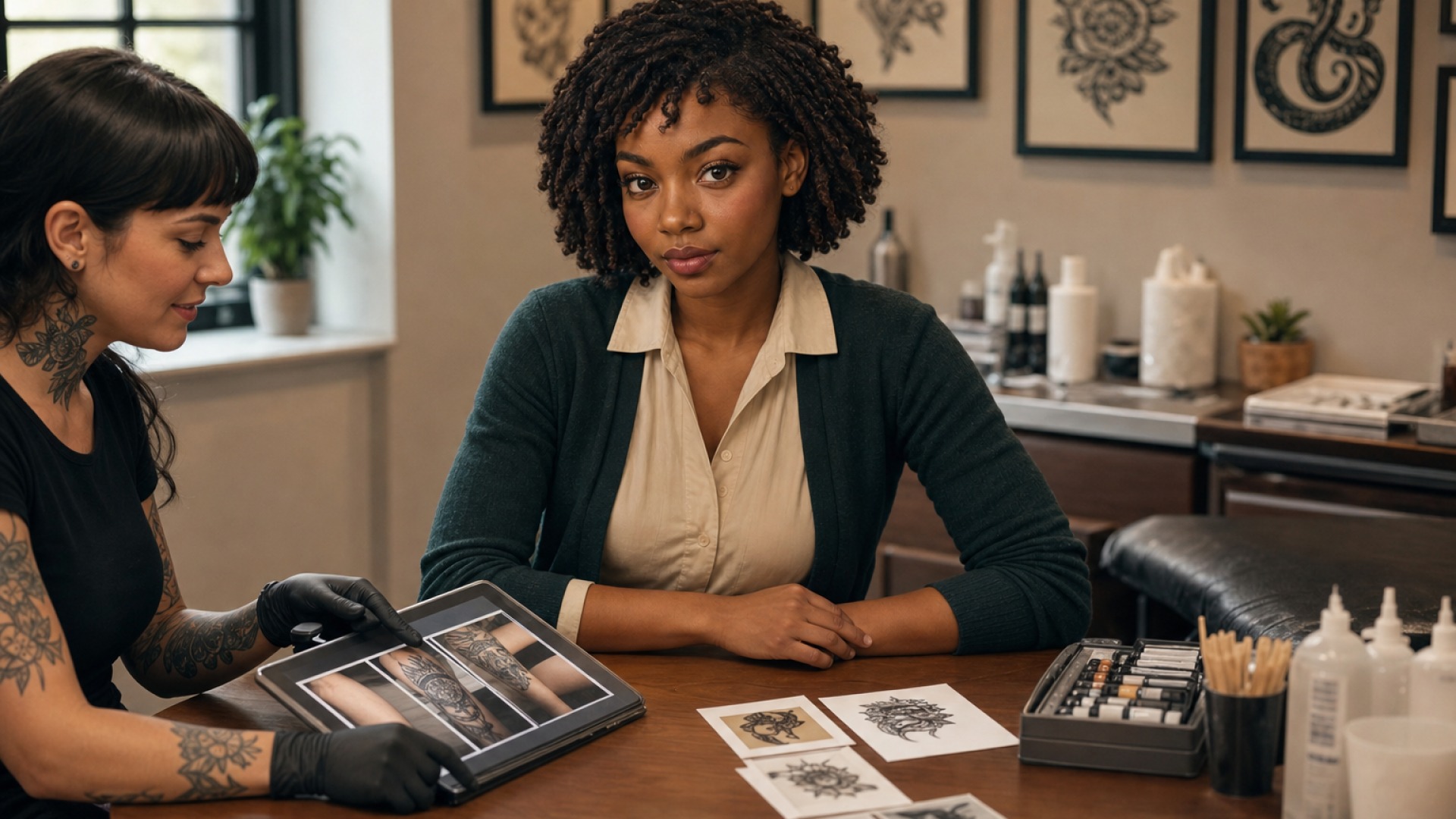
What Should I Know About Piercing, Permanent Makeup, and Other Related Services?
Tattoo studios may also offer body piercing, permanent makeup, microblading, scar camouflage, cosmetic tattooing, jewelry changes, or removal referrals, but each service requires its own training, tools, consent, and aftercare. Do not assume that excellence in one service automatically proves qualification in another. For piercing, ask about sterile single-use needles, appropriate jewelry materials, placement, healing time, and follow-up care. Permanent makeup and microblading place pigment into the skin and can involve infection, allergic reaction, scarring, color change, and difficult removal, so review healed work and discuss realistic results. Confirm licensing or registration requirements with local authorities because rules vary widely. Tell the provider about allergies, skin conditions, medicines, previous reactions, and medical concerns, and consult a healthcare professional when you need individualized medical guidance.

For Tattoo Studios, Artists, Piercers, and Related Services
If you operate a tattoo studio, work as a tattoo artist, offer piercing, tattoo removal, coverups, permanent makeup, or related services, you may update your profile or ask how TattoosOpedia can help people in your area find your work.